 Ergonomic Chairs
 Office Chairs
 Visitor Chairs
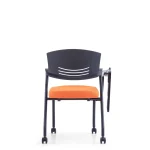 Training Chairs
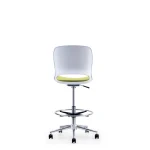 Leisure Chairs
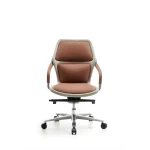 Leather Chairs
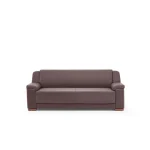 Office Sofas
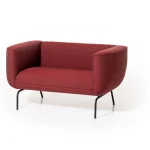 Leisure Sofas
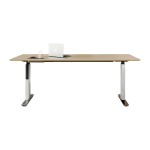 Office Table
The rising popularity of office mesh chairs can be attributed to their multifunctionality and cost-effectiveness. However, the pricing of these chairs varies widely, with some offering similar features and specifications at lower prices, while others are more expensive.
Let’s delve into the plastics used in these chairs.
Plastic components are ubiquitous in a typical office mesh chair: from the five-star base to the base shell, chair back frame, armrest covers, and various decorative parts.Below is an illustration of these components.

The primary plastics used include Nylon PA, PP, ABS, PC/ABS, POM, PVC/PU.
- Nylon PA (Polyamide, commonly PA6 and PA66, often reinforced with glass fiber GF)
- Characteristics:High strength and rigidity, wear-resistant, anti-fatigue Good oil resistance and solvent resistance Enhanced rigidity, heat resistance, and dimensional stability with glass fiber reinforcement (e.g., PA66 GF30: 30% glass fiber)Drawbacks: Average weather ability, prone to degradation, yellowing, and brittleness under prolonged sunlight
- Common applications in office chairs:Five-star base, load-bearing structural parts Chair back frame, mesh support Various load-bearing connectors and fasteners
2. Polypropylene PP
- Characteristics:Low density, lightweight, low cost Good chemical corrosion resistance, acid and alkali resistance Excellent electrical insulation and recyclability Drawbacks: Low surface hardness, average wear resistance, prone to scratching, poor weather ability (ages under long-term sunlight)
- Typical applications in office chairs:Economic five-star base or base shell Ordinary armrests, armrest covers Various decorative cover plates and lining protection plates
3. ABS and PC/ABS Alloy
- ABS (Acrylonitrile Butadiene Styrene Copolymer)Good comprehensive performance: impact-resistant, heat-resistant, good surface gloss, easy to paint and electroplate Often used for parts that require both aesthetics and durability Limitation: Limited heat resistance, prone to deformation in high-temperature environments
- PC/ABS (Polycar
- bonate + ABS Alloy)Improves upon ABS with better heat resistance, impact resistance, and flame retardancy Suited for high-end applications with stringent appearance and safety requirements
- Common applications in office chairs:Mid-to-high-end chair back frames, armrest shells Various appearance cover plates and decorative parts Some shells requiring electroplating or spraying
4. POM (Acetal, Polyoxy methylene)
- Characteristics:Extremely wear-resistant, low friction coefficient, good self-lubrication Good dimensional stability, suitable for precision parts Drawbacks: Higher price than ordinary PP and ABS, average weather ability
- Typical applications in office chairs:Foot pads, caster cores Various hinges, hinges, sliders Small moving parts requiring wear resistance and low noise
The choice of different plastics for different parts is primarily based on performance and cost considerations.
- For load-bearing structural parts (five-star base, chair back frame):Priority: Nylon PA66/PA6 + glass fiber, ensuring strength and anti-fatigue Higher cost, but justified in critical areas for reasonable cost-performance
- For appearance parts that need to look good but control costs (armrests, cover plates):Priority: ABS or PC/ABS Balancing strength, appearance, and processing performance, cheaper than nylon, easy to paint/electroplate
- For parts with low load but aiming to reduce weight and cost (covers, some armrests):Priority: PP Light weight, low cost, easy to form, but limited in strength and weather ability
- For small parts requiring wear resistance and long-term movement (foot pads, caster cores):Priority: POM or glass fiber nylon Wear-resistant, low friction, reduce noise, extend life
Here’s a summary of the characteristics of different materials used in office chairs:

