
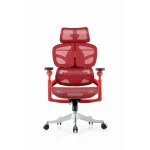
 Ergonomic Chairs
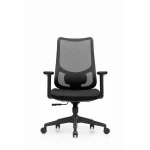 Office Chairs
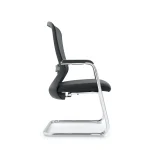 Visitor Chairs
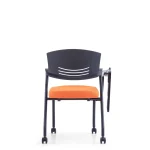 Training Chairs
 Leisure Chairs
 Leather Chairs
 Office Sofas
 Leisure Sofas
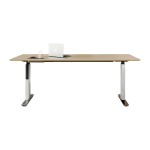 Office Table
Global Office Chair Market Analysis
According to data from Cognitive Market Research, the global office chair market was valued at approximately $14.887 billion in 2025 and is projected to grow to $22.062 billion by 2033, representing a compound annual growth rate (CAGR) of about 5.04%. This growth is driven not only by demand for high-end office chairs in mature markets but also by the evolution of office cultures and rising consumer standards in emerging markets.
North American Market: Health Concerns and Shifting Work Styles Drive Demand
The North American office chair market was valued at approximately $5.686 billion in 2025 and is expected to expand to $7.876 billion by 2033, with a CAGR of around 4.15%. Key drivers of this growth include health considerations and the widespread adoption of remote and hybrid work models.
There has been a sharp rise in consumer demand for ergonomically designed office chairs, particularly high-end models featuring multifunctionality such as adjustable height, tilt mechanisms, and lumbar support. Furthermore, the preferences of the younger generation regarding office environments—encompassing both aesthetics and functionality—have evolved; compared to traditional office chairs, younger consumers increasingly favor products with modern aesthetics, unique designs, and versatile features.
European Market: Driven by Sustainability and Workplace Wellness
Data from Cognitive Market Research indicates that the European office chair market is projected to grow from $3.945 billion in 2025 to $5.669 billion by 2033. This growth is primarily driven by two factors: heightened environmental awareness and an increasing focus on employee health.
As businesses and consumers become more environmentally conscious, the eco-friendliness of materials and manufacturing processes has become a key factor influencing purchasing decisions. Simultaneously, there is a growing emphasis on workplace wellness across Europe—particularly in the Nordic countries and Germany—where many companies are promoting ergonomically designed chairs to mitigate health issues associated with prolonged sitting.
Asia-Pacific Market: Rapid Growth Fueled by Population Expansion and Consumption Upgrading
The Asia-Pacific office chair market is valued at approximately $3.424 billion in 2025 and is expected to reach $5.692 billion by 2033, reflecting a compound annual growth rate (CAGR) of about 6.55%. This expansion is largely attributed to rapid economic development and the rise of the middle class.
Accelerated urbanization and the surging demand for both office spaces and home-office setups have heightened consumer focus on comfort and health, further propelling market growth. Additionally, as more young people recognize the importance of health, they are demanding higher standards regarding the comfort, adjustability, and support provided by office chairs.
African Market: Evolving Demand and Price Sensitivity
Growth in demand for office chairs in Africa has been relatively modest. Cognitive Market Research data shows the market size at approximately $461 million in 2025, with a projected increase to $705 million by 2033—an average annual growth rate of about 5.45%.
Due to lower income levels, African consumers are highly price-sensitive; consequently, low-to-mid-range products hold a significant market share thanks to their affordability. However, with the rise of the middle class and improving living standards, a segment of consumers is beginning to demand greater comfort, functionality, and durability in their office chairs.
Consumer Trend Analysis
Ergonomic Design: Health Needs Driving the Mainstream
As global consumer awareness regarding health issues grows, ergonomically designed office chairs are becoming the market mainstream. An increasing number of consumers are opting for chairs that provide effective support for the lower back, upper back, and neck to alleviate health problems associated with prolonged sitting.
Data from Market Research Future indicates that ergonomic chairs can reduce the risk of musculoskeletal disorders by up to 50%. Consequently, chairs featuring adjustable settings—such as height, tilt angle, and armrest position—have become the top choice for consumers, particularly in markets that prioritize long-term comfort.
Remote Work and Hybrid Models Fuel Demand for Home Office Chairs
The widespread adoption of remote and hybrid work models has directly driven up the demand for home office chairs. Consumers are increasingly prioritizing chairs with professional-grade support over standard household or dining chairs, especially those with dedicated home workspaces. Chairs that offer modern aesthetics, space-saving designs, and ergonomic features are proving popular in the market.
Eco-friendliness and Sustainability: The Green Consumption Trend
With rising environmental awareness, consumers are demanding higher standards regarding the materials and manufacturing processes of office chairs. More consumers are paying attention to whether products utilize recycled materials or meet environmental standards. Data from P Market Research shows that the use of sustainable materials in luxury office furniture is growing at an annual rate of over 25%.
Stylish Design: New Purchasing Trends Among the Younger Generation
The design and visual appeal of office chairs are becoming increasingly important factors in purchasing decisions. Younger consumers, in particular, tend to favor chairs that offer a modern look while blending seamlessly with their home environments. Whether the chair’s color, material, and design harmonize with the overall style of the workspace or home interior is now a key determinant in the buying process; minimalist styles, diverse color options, and personalized customization are emerging as major design trends.
Smart Office Chairs: Technology Enhancing Product Value
Driven by continuous technological advancements, smart office chairs are gaining prominence. Beyond traditional ergonomic features, these chairs integrate smart technologies—such as built-in sensors to monitor posture, automatic height adjustment, and even massage or soothing functions based on the user’s fatigue levels.
Market Research Future data projects that the smart office chair market will grow at a compound annual growth rate (CAGR) of 8% over the coming years. Smart office chairs cater to consumers who seek premium experiences and a smart lifestyle; the appeal of such products is growing, particularly in developed markets.
The Dual Importance of Long-Term Durability and Sustainable Design
As consumers increasingly focus on product lifecycles, the durability and sustainable design of office chairs have become key factors in purchasing decisions. High-quality materials and precision manufacturing ensure that office chairs retain their comfort and functionality even after prolonged use. Furthermore, sellers can enhance product sustainability—and appeal to consumers who prioritize long-term investment—by offering repair services or replacement parts.
Challenges in Expanding into International Markets
Product Homogenization and Fierce Competition
Mature markets are characterized by a vast array of brands and products, resulting in intense competition. Although global demand for office chairs continues to rise, product designs and functions often converge across many markets, causing consumers to place greater emphasis on brand differentiation. Emerging brands often struggle to stand out unless they offer distinctive designs or unique features.
Regulatory and Certification Requirements Raise Supply Chain Barriers
Different countries and regions impose varying standards regarding the safety, quality, and environmental impact of office chairs. For instance, Europe enforces the rigorous EN 1335 standard for safety, stability, and durability, while the U.S. requires compliance with BIFMA certification. Cross-border sellers entering these markets must ensure their products meet all relevant regulations and certifications to avoid potential supply chain compliance issues.
Challenges Regarding Long-Term Durability and After-Sales Service
As office chairs are products intended for long-term use, consumers place a high premium on durability and after-sales support when making a purchase. In mature markets like Europe and North America, in particular, after-sales service and quality assurance are critical factors influencing buying decisions. To build customer loyalty and enhance market competitiveness, cross-border sellers must ensure product quality and provide long-term warranties or options for replacement parts.