
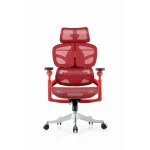
 Ergonomic Chairs
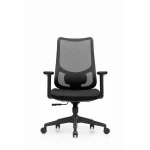 Office Chairs
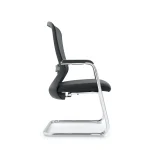 Visitor Chairs
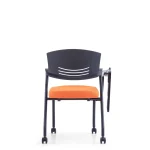 Training Chairs
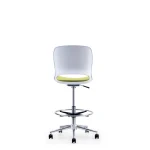 Leisure Chairs
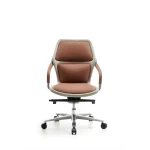 Leather Chairs
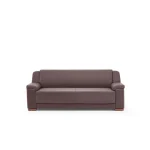 Office Sofas
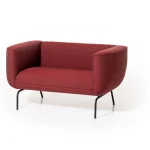 Leisure Sofas
 Office Table
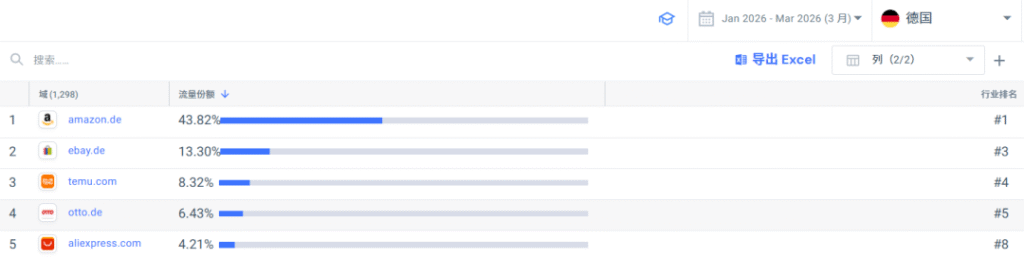
In the European e-commerce market, Amazon has long held an absolutely dominant position. However, local platforms are now redefining category opportunities—most notably, the German e-commerce giant OTTO.
Many people still view OTTO merely as a “German version of an online department store.” Yet, in recent years, it has gradually evolved into a comprehensive e-commerce platform characterized by a focus on mid-to-high average order values, a brand-centric approach, and a strong emphasis on quality and service.
1
OTTO: A Curated E-commerce Platform
OTTO’s defining characteristic lies not in the sheer volume of its SKUs, but rather in the curation logic that underpins it. Unlike open marketplaces, OTTO employs rigorous admission and operational standards to structurally vet both products and sellers. This approach fosters a platform ecosystem that is notably more stable and standardized.
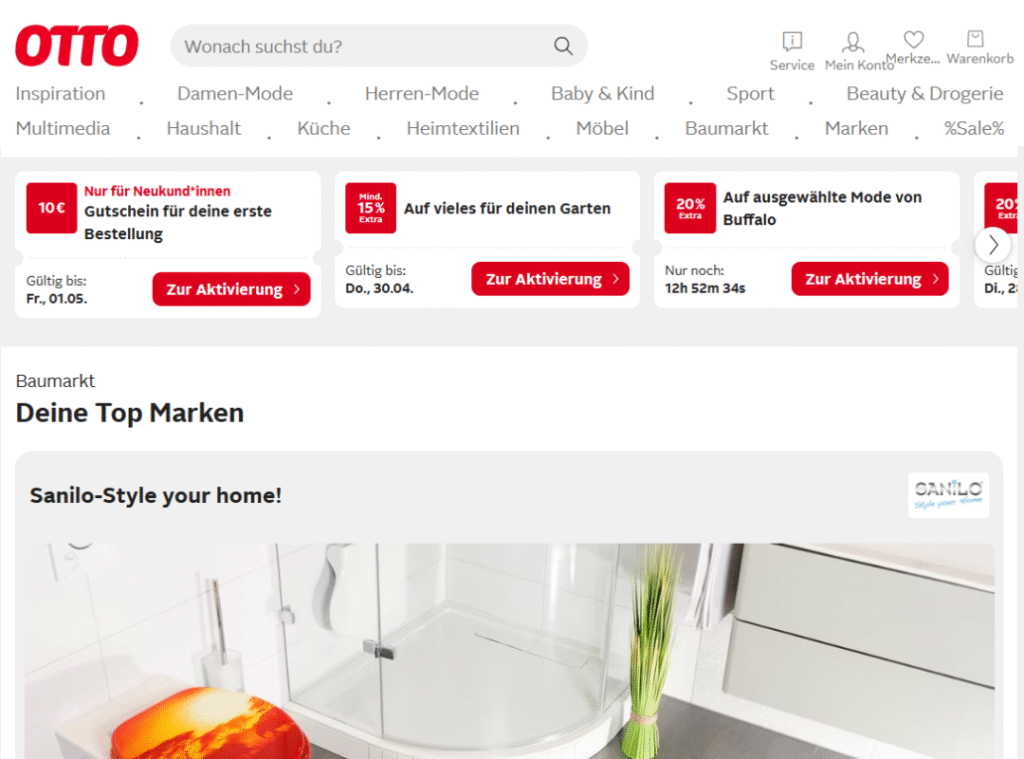
I. OTTO prioritizes product quality and brand trust over price competition. According to ResearchGate, German consumers hold high expectations and standards regarding the quality of online purchases; businesses must deliver consistent product quality, enhanced security, and superior service experiences to meet these demands.
II. It is distinctly brand-oriented, emphasizing a “partnership-centric structure.” According to official disclosures from the Otto Group, while its Marketplace business continues to expand, its core strategic direction remains focused on cultivating stable, long-term relationships with established brands and partners.
III. It places a premium on service experience and fulfillment capabilities. Operationally, OTTO mandates a comprehensive fulfillment and after-sales support system. For instance, the platform requires sellers to: provide support for local warehousing and shipping; adhere to standardized return procedures; and utilize designated logistics service networks.
IV. Its category structure is focused rather than endlessly expansive. OTTO has eschewed the strategy of “unlimited category expansion,” opting instead to concentrate on a few core sectors—such as home furnishings, fashion and apparel, and consumer electronics/appliances.
2
The Truly Profitable Categories on OTTO Are Actually Highly Concentrated
Many sellers instinctively apply the competitive logic of Amazon when analyzing OTTO; however, in reality, the key opportunities on these two platforms exist on entirely different planes.
The most promising opportunities are often found in those specific niches where “Amazon is already hyper-saturated with fierce competition, yet OTTO has not yet reached full saturation.” (Image Source: OTTO.com) 1. Home & Furniture
On Amazon, the market for standardized furniture and basic home essentials is already extremely saturated; from bed frames and wardrobes to lighting fixtures, prices and styles have become highly homogenized.
💡 However, on OTTO, the landscape is dominated by basic items that feature a unified aesthetic and a brand-oriented approach, while products that truly possess a strong sense of design—balancing both functionality and aesthetics—remain relatively scarce. 2. Fashion & Apparel
Amazon’s apparel sector is a textbook example of a “Red Ocean” market, characterized by fierce competition involving low prices, generic (white-label) goods, and identical product offerings.
💡 In contrast, on OTTO, you will find that the market consists primarily of either established, mature brands or basic, staple items; the middle tier—the space between these two extremes—is actually quite underdeveloped.
- Electronics & Appliances
On Amazon, the competition within the small appliance and consumer electronics sectors has become almost completely transparent; prices, features, and customer reviews have all been pushed to their absolute limits.
💡 On OTTO, however, the market is predominantly driven by branded products, yet there remains significant untapped potential within the niche where “design aesthetics intersect with lifestyle integration.”
3
The Real Opportunity for Chinese Sellers: Market Structure
If one focuses solely on product categories, it is easy to misjudge the opportunities available on OTTO. On the surface, categories such as home goods, apparel, and appliances appear to exist across all e-commerce platforms; however, the true differentiator lies not in what is being sold, but rather in how it is sold and to whom it is being sold. In practice, this is precisely where many Chinese sellers are most prone to strategic missteps.
First, the underlying logic for selling large-format items differs significantly. On OTTO, products such as furniture and major appliances actually offer an easier path to establishing a competitive advantage, as users tend to rely more heavily on the platform to facilitate high-ticket, low-risk purchasing decisions. For Chinese sellers possessing robust supply chain capabilities, large-format items are not a burden, but rather a strategic avenue for sidestepping the intense competition found in homogenized markets.
Second, non-standardized products—those with unique attributes—are more likely to achieve breakout success. Historically, Chinese sellers have relied on standardized products and price advantages to secure orders; however, on OTTO, SKUs that feature a distinct sense of design, a specific stylistic identity, or a strong contextualized lifestyle appeal are far more readily embraced by the market.